

cosmetic mirror with lights
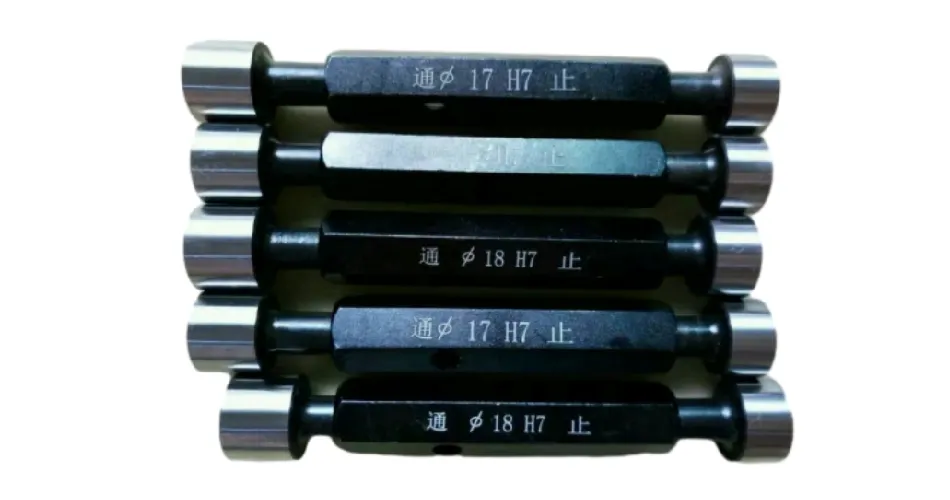
Understanding Thread Plug Gauges G and H Classes Understanding Thread Plug Gauges G and H Classes The primary function of a thread plug gauge is to verify the acceptability of external and internal threads. The G class gauges are designed for the functional limits of the thread, ensuring that the part can engage correctly with a corresponding threaded component. Typically, G class gauges are utilized for testing threads that require a higher level of precision and are often employed in production environments where maintaining tight tolerances is essential. These gauges help in ensuring that the parts not only fit together but also function effectively under various loading conditions. thread plug gauge g and h On the other hand, H class gauges are designed with a more lenient tolerance compared to G class gauges. They are used for inspecting threads that do not require as stringent specifications, making them ideal for applications where some degree of variability is acceptable. H class gauges are typically utilized in large-scale production where quick measurements are paramount, and precise fitting is not as critical. They serve to ensure that parts can still be assembled without issues, even if they may not meet the tighter tolerances dictated by G class gauges. When choosing between G and H class thread plug gauges, a manufacturer must consider factors such as the intended application, operational environment, and necessary precision levels. For instance, in aerospace or medical device manufacturing, where safety and reliability are paramount, G class gauges are often preferred. Conversely, in less critical applications, such as general manufacturing or automotive production where speed and cost-efficiency are prioritized, H class gauges may suffice. In conclusion, both G and H class thread plug gauges serve vital roles in maintaining quality standards in threaded components. By ensuring that parts meet the necessary tolerances, manufacturers can minimize defects, enhance assembly processes, and ultimately deliver higher-quality products. Understanding the distinctions between these gauge classes allows for better selection based on specific project requirements, contributing to improved efficiency and effectiveness in production environments.
about
cosmetic mirror with lights
Understanding Gate Valves in Plumbing Systems Gate valves are crucial components in plumbing systems, providing control over the flow of water in residential, commercial, and industrial applications. Unlike other types of valves, gate valves are designed to be either fully open or fully closed, making them ideal for applications where a straight-line flow of fluid and minimal pressure drop is required. In this article, we will explore the function, advantages, construction, and applications of gate valves in plumbing systems. Function and Operation The primary function of a gate valve is to start or stop the flow of water or other fluids. When the valve handle is turned, the gate—a wedge-shaped metal disc—either rises and allows fluid to pass through or lowers to block it. This straightforward mechanism helps to prevent leaks and maintains a reliable flow. Gate valves are typically operated either manually with a handwheel or automatically with an electric actuator. It's important to note that gate valves are not designed for throttling fluid flow; they should be either fully opened or fully closed to prevent damage to the valve and ensure system integrity. Advantages of Gate Valves Gate valves offer several advantages that make them a popular choice in plumbing systems 1. Minimal Pressure Drop When fully open, gate valves create a straight-through passage which allows for smooth fluid flow with minimal resistance. This characteristic is particularly beneficial in large plumbing systems where maintaining pressure is crucial. 2. Durability Made from materials such as brass, bronze, and stainless steel, gate valves are built to withstand high pressure and temperature conditions, making them long-lasting components in plumbing systems. 3. Space Efficiency Gate valves are compact and do not require a significant amount of space to operate. Their design allows for easy installation and maintenance. 4. Cost-Effectiveness Generally, gate valves are more affordable compared to other types of valves, especially for applications that require infrequent adjustments to the flow. Construction of Gate Valves Gate valves are typically constructed with several key components 1. Body The body of the valve is usually made from durable materials like cast iron or brass, designed to withstand the operating pressures of plumbing systems . gate valve in plumbing 2. Gate The gate itself is the component that opens and closes the flow. It's often wedge-shaped, which allows it to seal tightly against the valve seat. 3. Seat The seat holds the gate in place and ensures a tight seal when the valve is closed. The material of the seat is chosen based on the nature of the fluid being controlled. 4. Stem The stem connects the gate to the valve handle, translating the rotation of the handle into the vertical movement of the gate. 5. Bonnet The bonnet is the part of the valve that houses the stem and provides protection to the interior components. Applications in Plumbing Gate valves are extensively used in various plumbing applications due to their reliability and efficiency. Common applications include 1. Main Water Supply Lines In residential plumbing, gate valves are often used to control the main water supply, allowing homeowners to easily shut off water during repairs or maintenance. 2. Irrigation Systems In agricultural settings, gate valves are used to manage the flow of water in irrigation systems, ensuring precise control over water distribution. 3. Industrial Systems In industrial plumbing, gate valves play a vital role in controlling the flow of fluids in large pipeline systems, helping to maintain safety and efficiency in manufacturing processes. 4. Fire Protection Systems Gate valves are often included in fire sprinkler systems, allowing for rapid activation and deactivation of water flow. Conclusion In summary, gate valves are indispensable tools in plumbing systems that provide reliable and efficient flow control. Their simple yet effective design, combined with their durability and cost-effectiveness, makes them a favored choice for various applications. Whether in residential homes, commercial buildings, or industrial facilities, understanding the function and advantages of gate valves is essential for the maintenance and efficiency of plumbing systems. Proper selection, installation, and maintenance of gate valves can significantly enhance the longevity and performance of any plumbing infrastructure.
-

High quality industrial productsagement

High quality industrial products
View Details -

Meet the diverse needs of customers

Meet the diverse needs of customers
View Details -

Strict quality control

Strict quality control
View Details -

Top raw materials

Top raw materials
View Details -

Trusted supplier

Trusted supplier
View Details
Our application



news and information
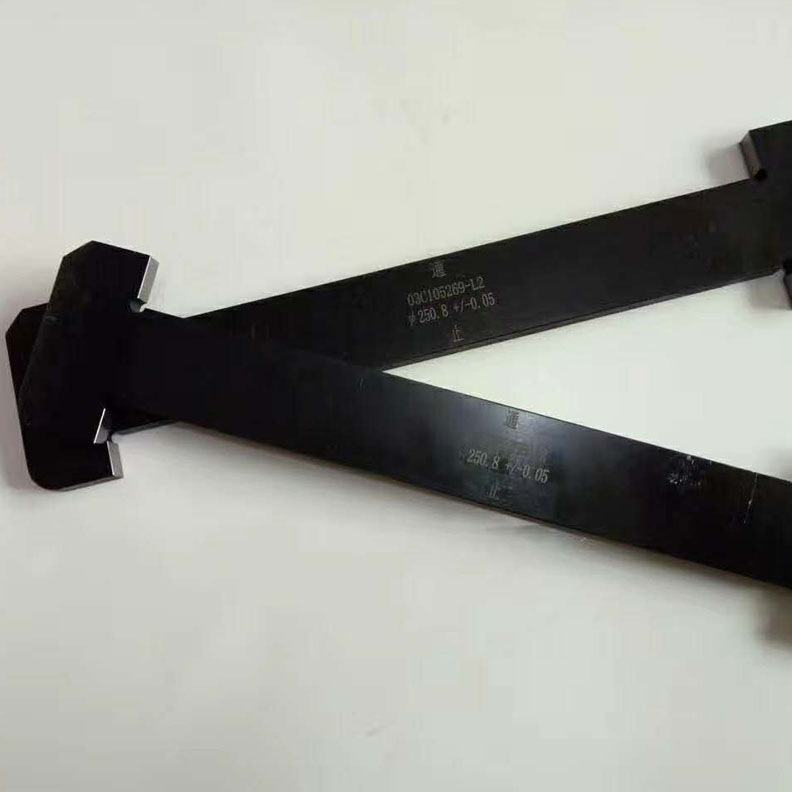
Utilização de réguas paralelas
Uso do Régua Paralela Uma Ferramenta Essencial para Precisão em Desenhos e Projetos O uso da régua p

Versatile Welding Table Clamp Set for Secure and Precise Workholding Solutions
The Essential Guide to Welding Table Clamp Kits Welding is both an art and a science, and having the

Using a Spirit Level for Accurate Measurements and Leveling Techniques
Understanding Spirit Level Measurements A Guide to Precision in Construction and Crafting In constru
 English